A real site visit
We measure the space and inspect the slab in person. We check for cracks, spalling, old sealers and oil, and test for moisture where it is a concern. Your quote is based on your floor, not a per-square-foot guess over the phone.
Free on-site estimate
Tell us about the floor. We'll handle the rest.
Four quick fields. We'll follow up to schedule a visit, look at the slab in person and give you a written price for the system that suits it.
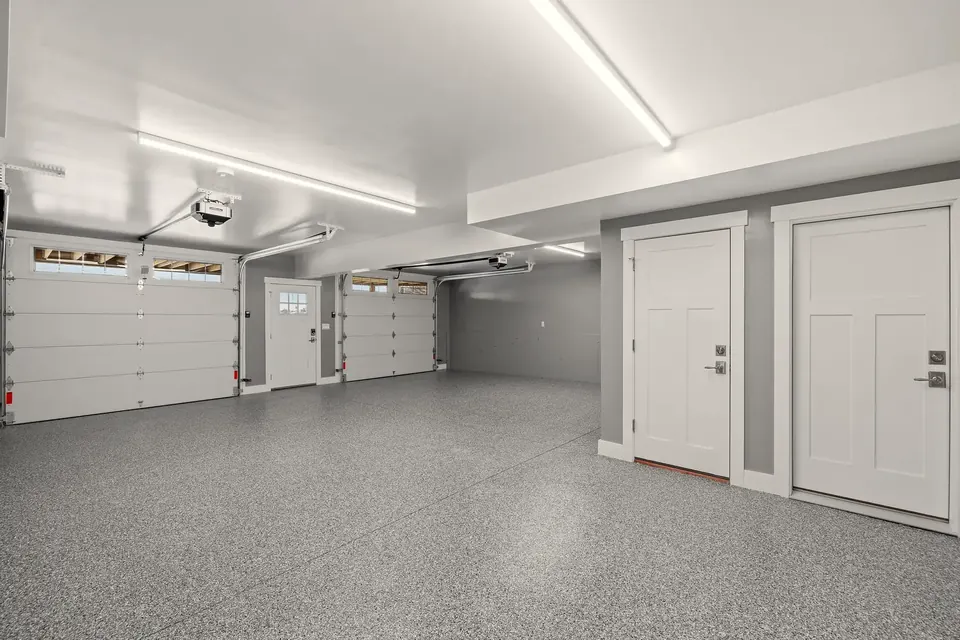
Epoxy flooring · Menomonee Falls, WI
We coat garage, basement, shop and commercial concrete across Menomonee Falls and the northwest suburbs with systems chosen for how the slab is actually used, and installed over properly ground, tested concrete.
01Who we are
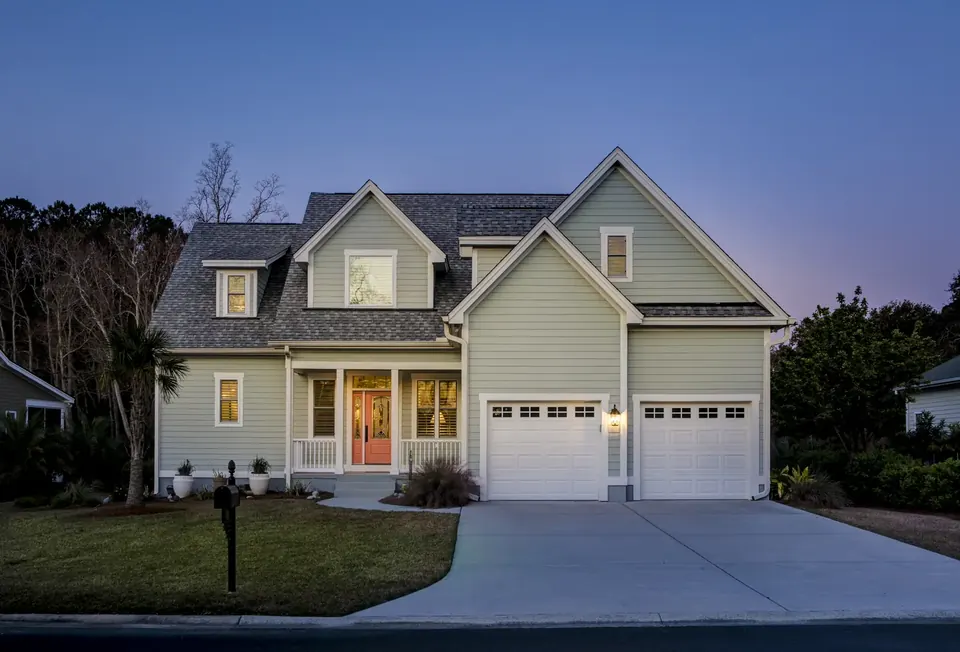
Menomonee Falls Epoxy Flooring is an epoxy flooring company based in Menomonee Falls, WI, installing resinous floor coatings for homeowners, landlords and businesses in the village and the communities around it. Most of our work is garage floors, because that is where Wisconsin is hardest on concrete. We also coat basements, mudrooms, workshops, retail floors, service bays and warehouse slabs.
Every one of those projects begins the same way. We look at the slab before we talk about finishes. How old is it? Has it been sealed before? Does it flake at the apron, or show white residue near the drain? Is there moisture moving up from below? Those answers decide which system belongs on the floor, and they matter far more to how long it lasts than the color you pick.
The village is a mix of long-established neighborhoods, newer subdivisions on the west side, and one of the larger industrial bases in the Milwaukee area. A 1960s ranch near Village Park, a new build off Lannon Road and a production building on the north side each need something different, and the floor should be specified accordingly.
02Floor systems
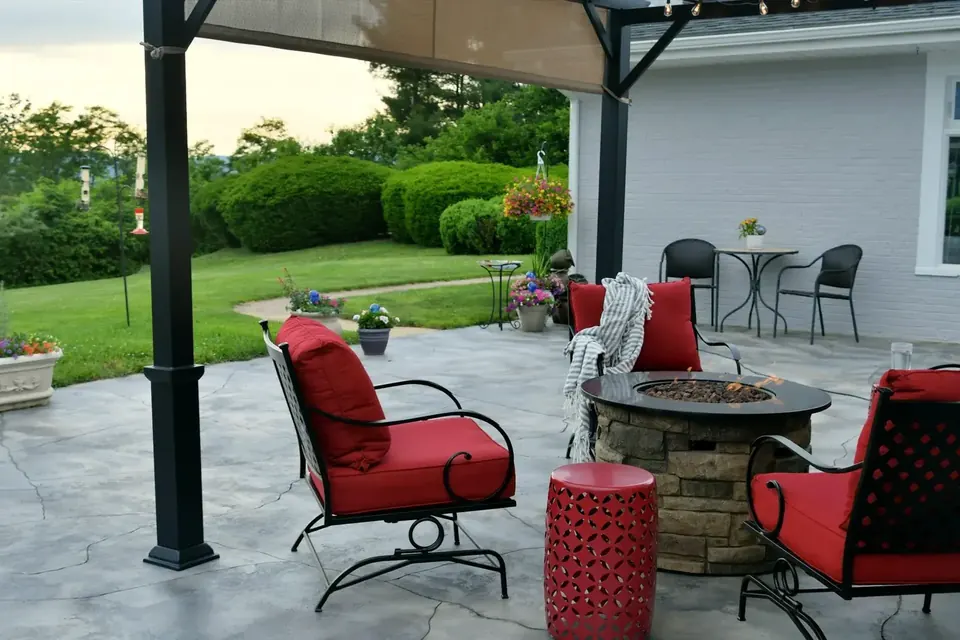
We install the full range of resinous floors so we never have to force one product onto every job. Here is what we offer, and the detail pages explain where each one fits best.

03Why homeowners call us
There are plenty of ways to put a coating on a floor. These are the habits we bring as your Menomonee Falls epoxy flooring contractor, on a single-stall garage or a 20,000-square-foot shop.
We measure the space and inspect the slab in person. We check for cracks, spalling, old sealers and oil, and test for moisture where it is a concern. Your quote is based on your floor, not a per-square-foot guess over the phone.
You will hear why we recommend a particular base coat, broadcast and topcoat, and what changes if you choose something else. If a cheaper option makes sense for the space, we will say so.
Interior floors are diamond ground, not acid etched. Grinding opens the concrete so the primer can soak in and grip. Most coating failures trace back to skipped prep, so this is the step we never rush.
Dust-controlled grinding, protected walls and doors, and a clear schedule for when you can walk on the floor and when the car can come back in. We leave the space the way we found it, minus the old concrete.
04Garage floors
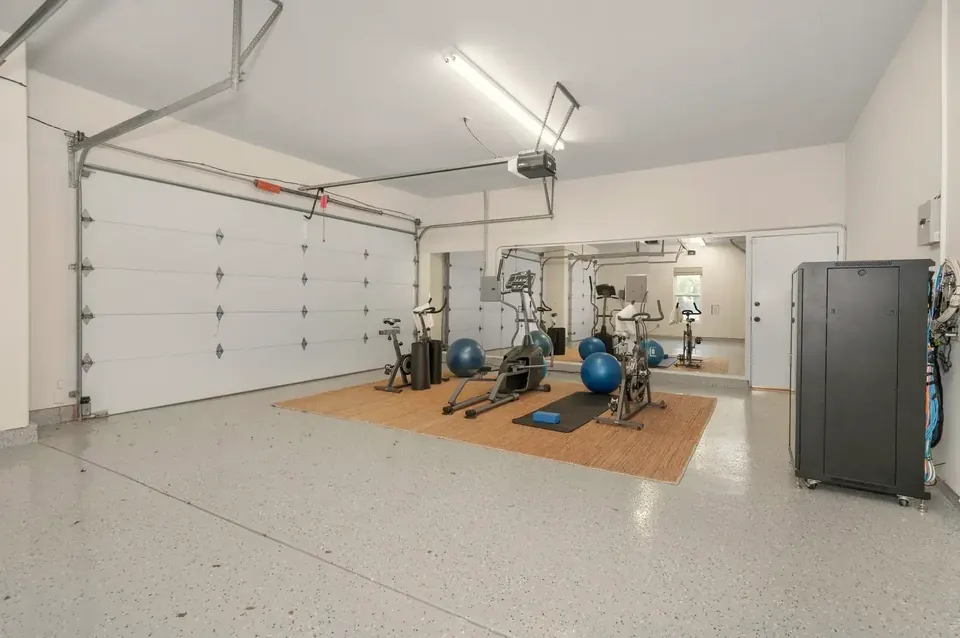
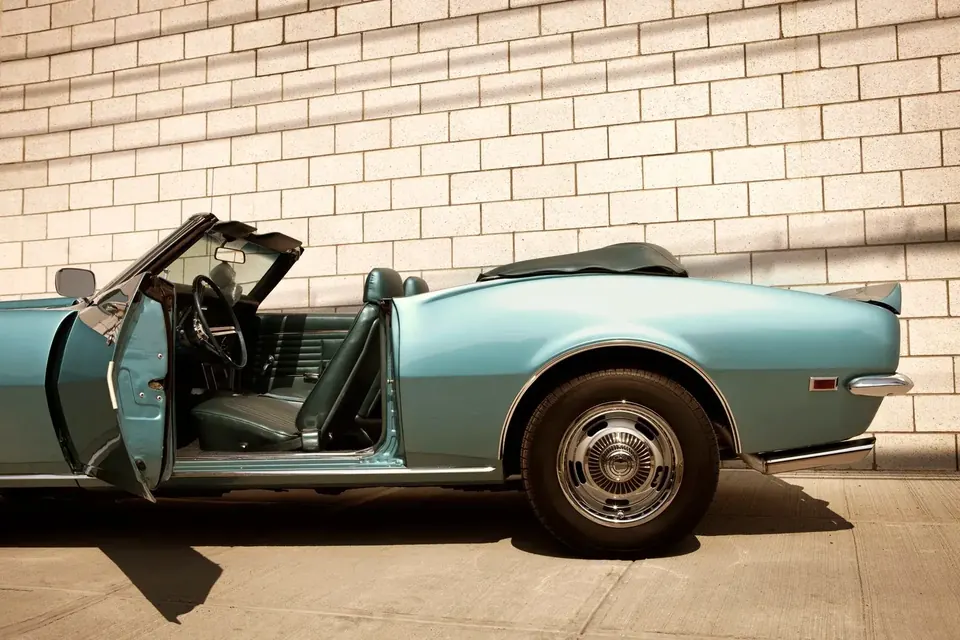
From November to March, a garage floor in this area gets a steady supply of snowmelt, sand and road salt dripping off the car. Bare concrete absorbs that brine. When it refreezes inside the pores, the surface starts to pop and scale, usually first along the door threshold and in the tire paths.
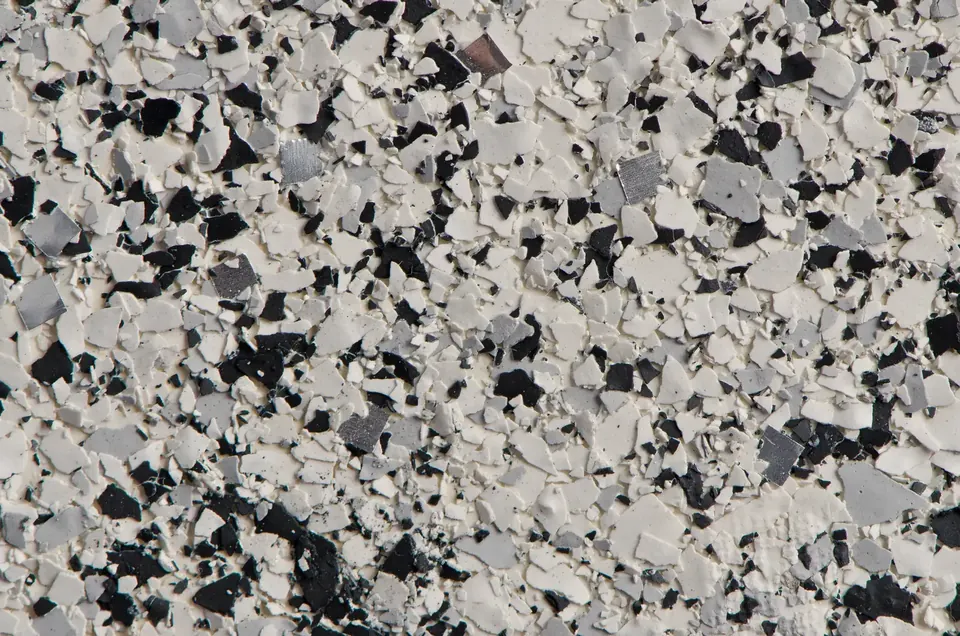
Once the floor is coated, slush stays on the surface, where a squeegee or a towel takes care of it. Most of our garage systems pair a flexible polyurea or epoxy base with wall-to-wall vinyl chips for texture and grip, and a UV-stable polyaspartic topcoat that handles hot tires and cleaners without yellowing.
We pay extra attention to the details that fail first in our winters: the apron at the overhead door, control joints, the area around the floor drain, and the stem wall where many homeowners want the coating carried up a few inches for an easy-to-clean cove.
05Inside the house
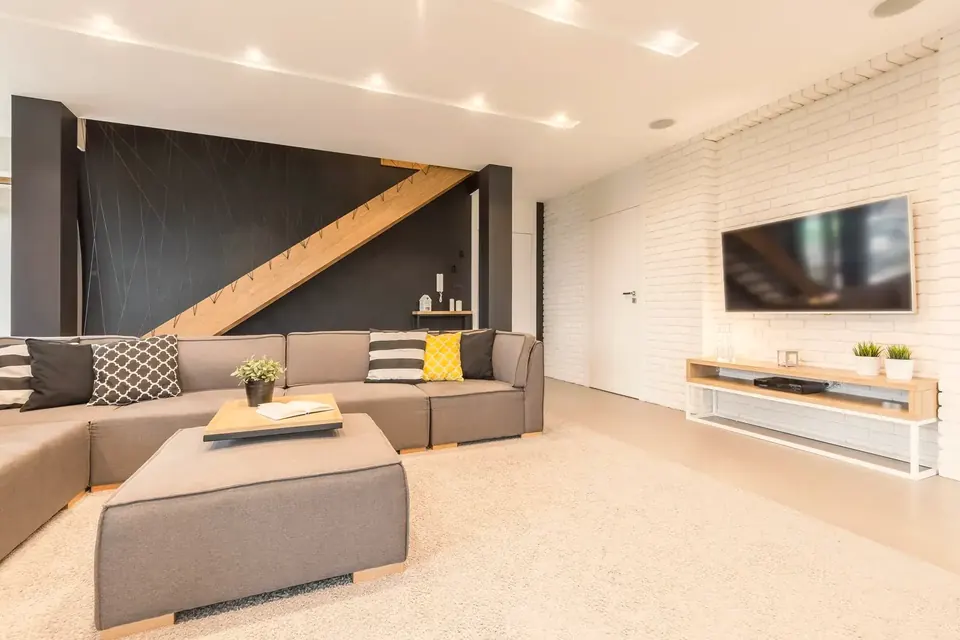
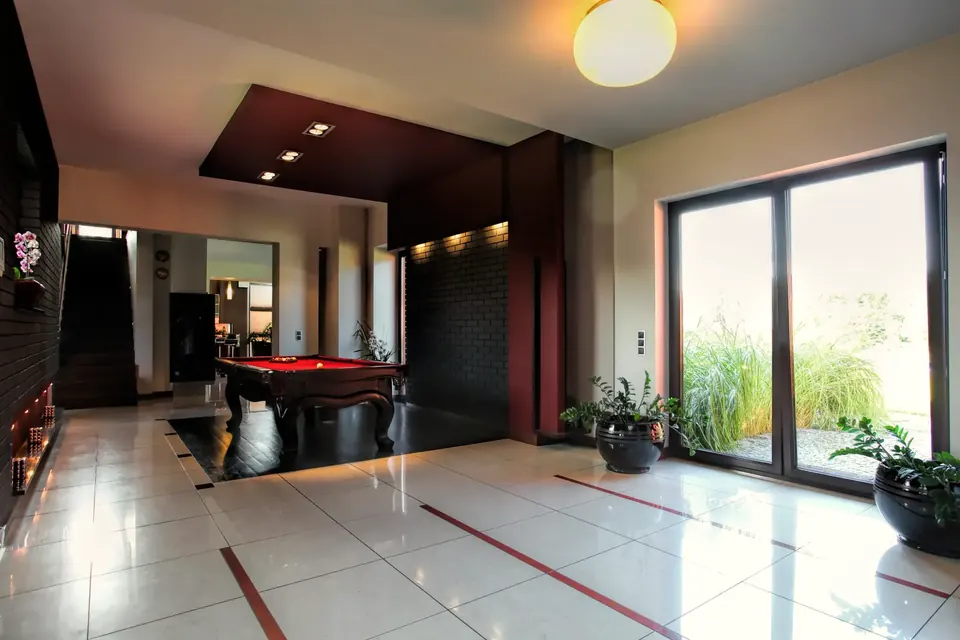
A coated floor is not only for the garage. Plenty of homes in the village have unfinished or half-finished lower levels with bare concrete that is cold, dusty and hard to keep clean. A seamless coating changes how those rooms get used.
 Basements
 are where moisture testing matters most. We check the slab before choosing a system and use a moisture-tolerant primer where readings call for one. The finished floor seals in concrete dust, wipes clean after a laundry spill and is far friendlier than painted concrete.
 Workshops
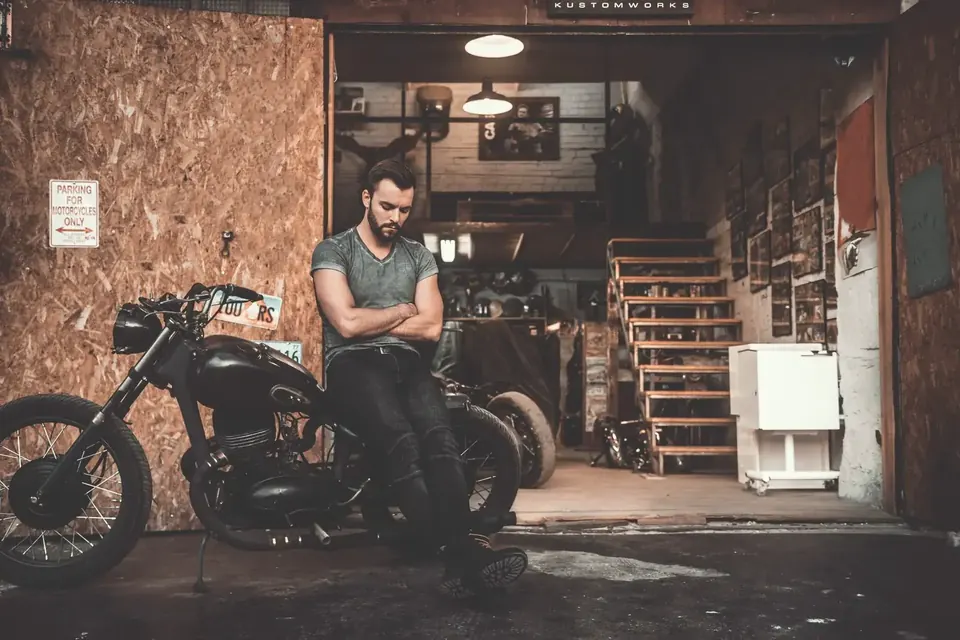
Woodworkers, car people and anyone who repairs things at home need a floor that tolerates dropped tools, solvents and rolling carts. We build these with thicker base coats and textured topcoats, and we can add a high-visibility color under benches and equipment.
 Utility rooms
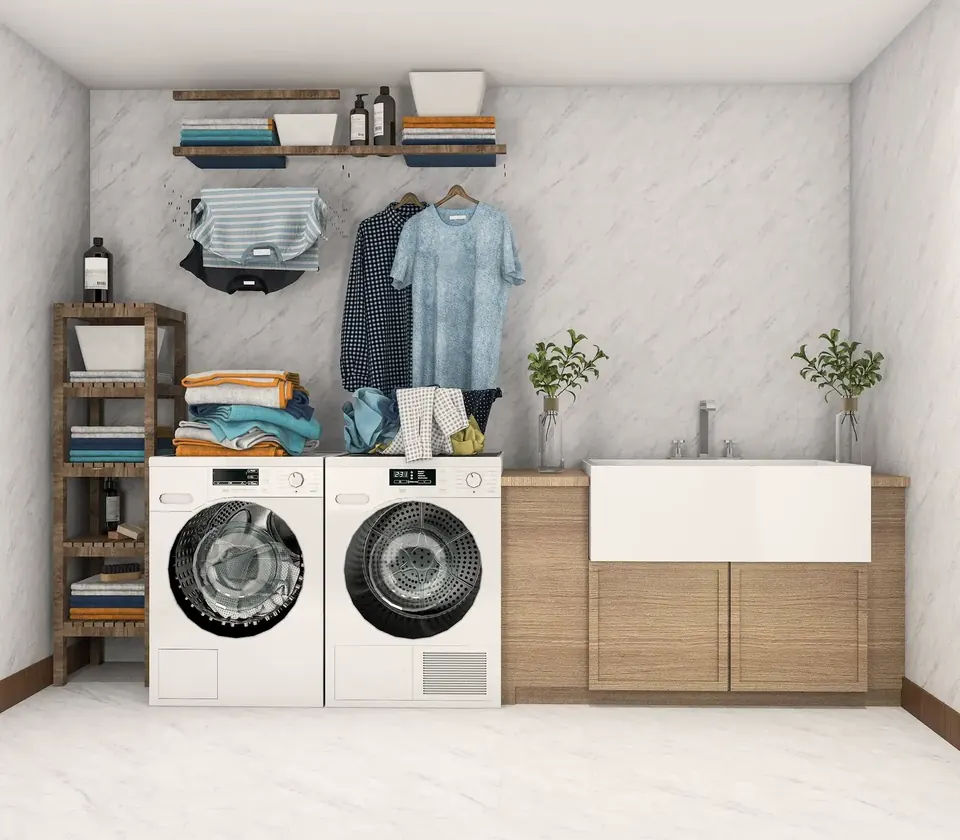
 take water, detergent and wet boots. A seamless floor with a short cove at the walls keeps water from creeping under baseboards. In mudrooms we add enough texture that a wet floor still feels secure underfoot.
06Decorative finishes
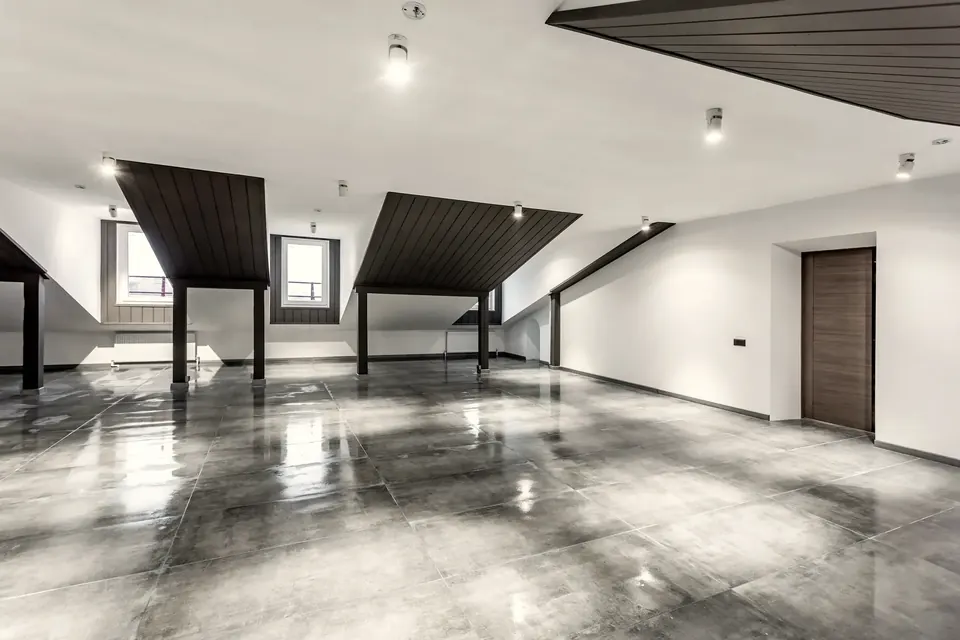
Decorative doesn't have to mean showy. Flake blends in granite, sandstone or slate tones hide dust and tire marks between cleanings, which is why they dominate garages. Metallic epoxy is different: the installer moves the pigments around while the resin is still fluid, so every floor ends up one of a kind, with soft movement and reflections that suit lower-level bars, studios and showrooms.
We bring physical samples to the estimate, because color on a screen never matches color on a 600-square-foot floor under your lighting.
07Commercial & industrial
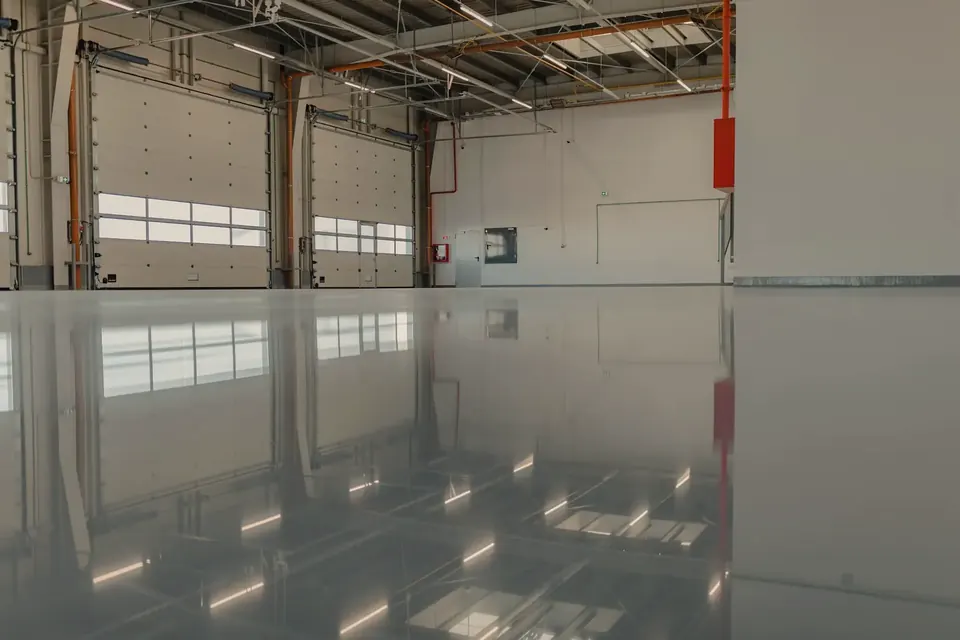
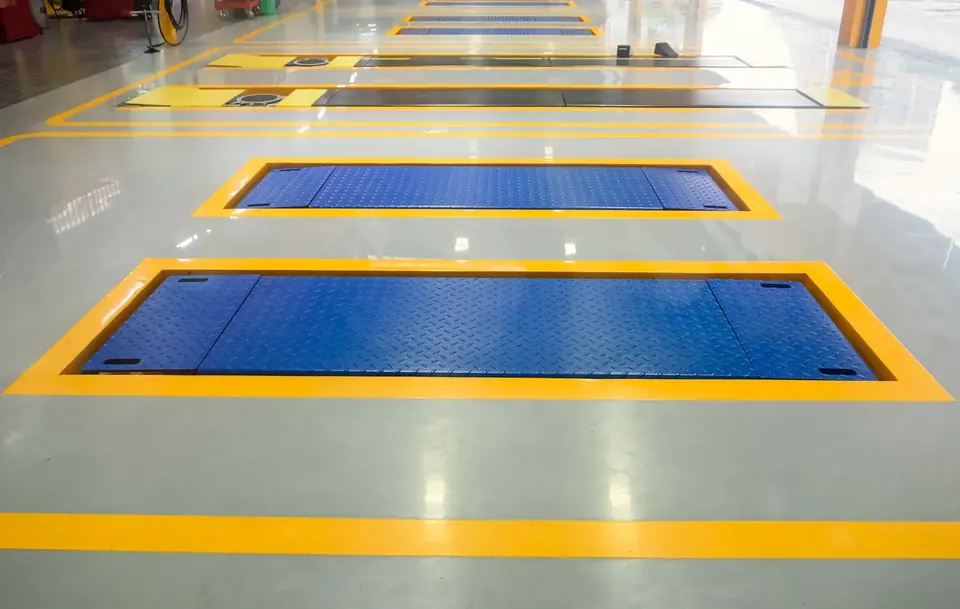
Menomonee Falls has a deep commercial base, from the stores and offices along Appleton Avenue and Main Street to the manufacturing and distribution buildings in the business parks on the north side of the village. Those floors carry forklifts, pallet jacks, foot traffic, chemical spills and steady washdowns, and downtime is expensive.
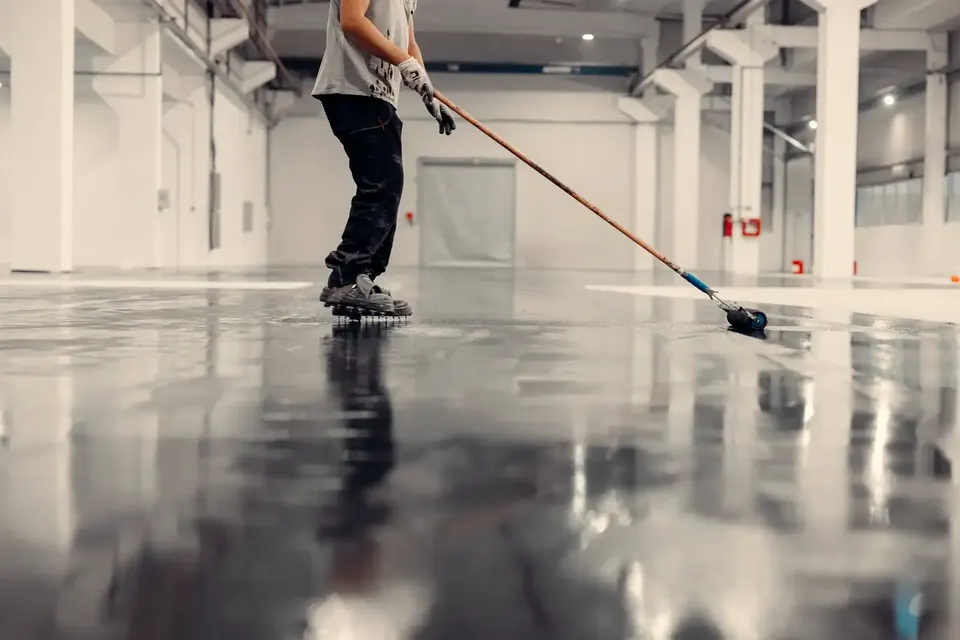
For retail, salons, clinics, offices and restaurants, we focus on seamless, easy-to-sanitize surfaces in clean colors with slip resistance matched to the space. In warehouses, plants and service shops, the priorities shift to abrasion resistance, chemical resistance, line striping and scheduling. We can phase work by zone, work nights or weekends, and use fast-cure systems so aisles reopen quickly.
08Our process
A typical home garage wraps up in one to three days; the system chosen and the weather set the pace. Larger or commercial floors are scheduled in phases. Either way, the order of work stays the same.
We walk the floor with you, note cracks, spalls, previous coatings and contamination, and run moisture checks where needed. Then you receive a written proposal.
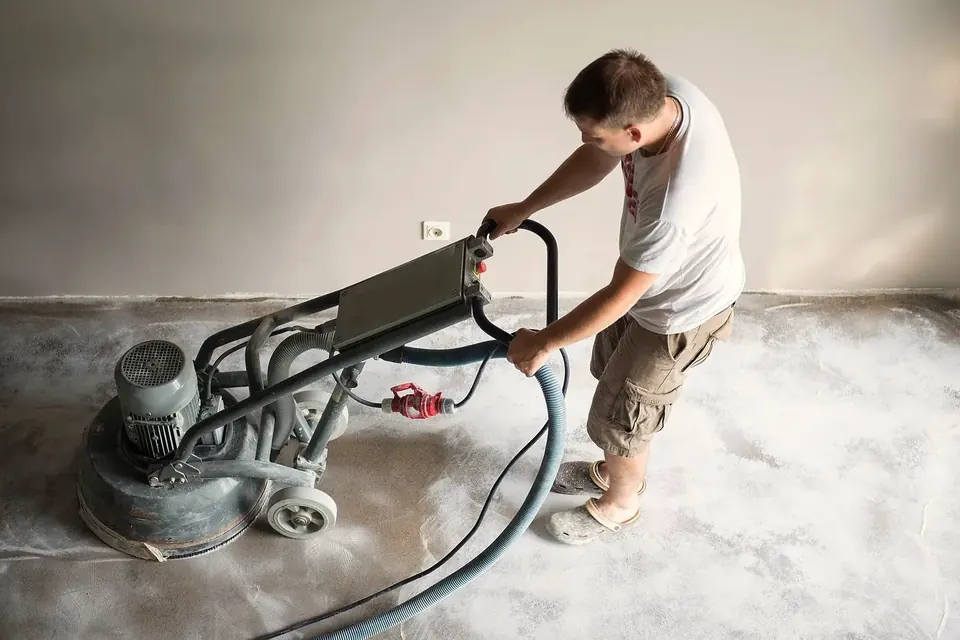
Diamond grinding with vacuum dust collection opens the surface. Cracks, pits and broken joints are filled and ground flush so they do not telegraph through.
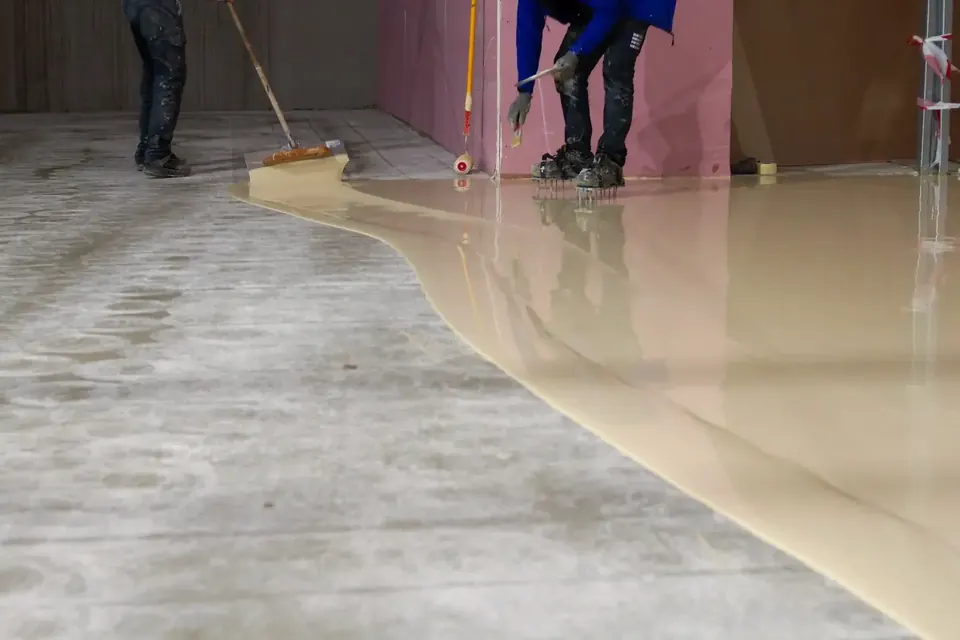
A penetrating primer or base coat bonds into the open concrete. For flake systems, chips are broadcast into the wet base to full coverage, then scraped and vacuumed.
A clear protective topcoat seals the system and sets the texture. We tell you exactly when to walk on it, when to move shelving back, and when a vehicle can return.
09Benefits
Concrete is porous. It soaks up oil, salt brine, wine and paint. A cured resinous coating keeps all of that on the surface, where a mop or squeegee can deal with it.
Coatings slow the cycle of brine absorption and refreezing that scales unprotected garage floors. They also stop the gradual dusting that older concrete sheds.
Light-colored and gloss finishes bounce light around, so garages, basements and work areas need fewer fixtures to feel bright. That is noticeable on short December afternoons.
Broadcast flake and added aggregate let us tune slip resistance. We can make a floor grippier at a garage entry and smoother in a showroom.
A coated garage or basement reads as part of the house rather than leftover space. It is a practical upgrade people notice when touring a home.
Seamless floors have no grout lines to scrub and no wax to strip each year. For many commercial spaces, routine cleaning becomes a simple auto-scrubber pass.
10Wisconsin conditions
Floors here deal with a wider temperature range than most of the country, plus plenty of moisture. Here is how the local climate affects coating choices, and what we do about each issue.
Chloride-laden slush is the main reason garage floors deteriorate. We seal the surface completely, coat the apron carefully and use topcoats known for chemical resistance, so brine can be squeegeed out instead of soaking in.
Concrete expands and contracts with every swing above and below freezing. In unheated and detached garages, we favor flexible base coats such as polyurea, which tolerate that movement better than rigid systems.
Basements and older slabs can push vapor up through the concrete. We test, and where readings are high we use a moisture-mitigating primer rather than hoping the coating holds.
Resins have temperature windows for application and cure. In colder months we heat the space ahead of time, monitor slab temperature, and choose products formulated for cooler conditions.
11Surface preparation
The coating is only as strong as the top quarter-inch of concrete it grips.
If you remember one thing about floor coatings, make it this: almost every peeling garage floor you have seen failed because of preparation, not product. Store-bought kits rely on a quick acid wash that leaves the surface too smooth and often contaminated. Without a rough, clean profile, the coating sits on top of the concrete instead of locking into it, and hot tires eventually pull it loose.
We diamond grind interior slabs to a profile the coating manufacturer specifies, with vacuum extraction to control dust. Grinding also removes weak surface paste, old sealers and much of the staining that has built up over the years.
Hairline cracks get chased and filled. Wider cracks and broken control joints are repaired with a semi-rigid or rapid-set filler, then ground flush. Spalled areas near the door, where freeze-thaw damage is common, are rebuilt so the new floor has a level, solid base. We will point out any cracking that suggests the slab is still moving, and be clear about the limits of a coating in that situation.
Previous paint, sealers and peeling epoxy need to come off, not be coated over. Oil-soaked spots are degreased and ground, and deep contamination can need extra treatment to keep it from bleeding through. These conditions affect labor, so we identify them during the estimate instead of discovering them on install day.
Moisture vapor rising through the concrete can push a coating off from beneath. It is most common in basements, older slabs without a vapor barrier, and floors poured on wet soil. When testing shows elevated moisture, we use a primer designed for those conditions. It adds cost, but it is far cheaper than redoing the floor.
12Finishes & spaces
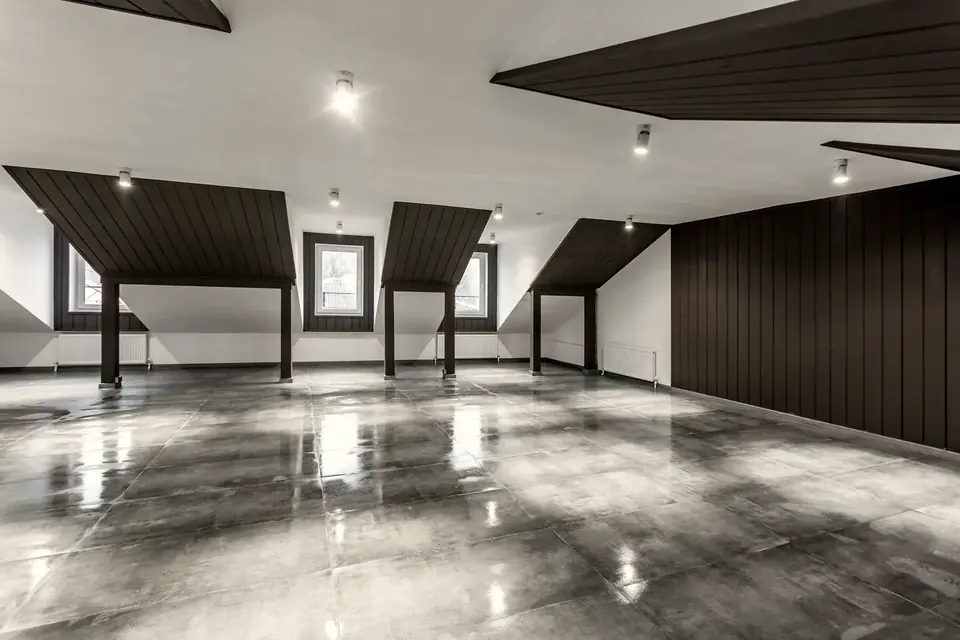
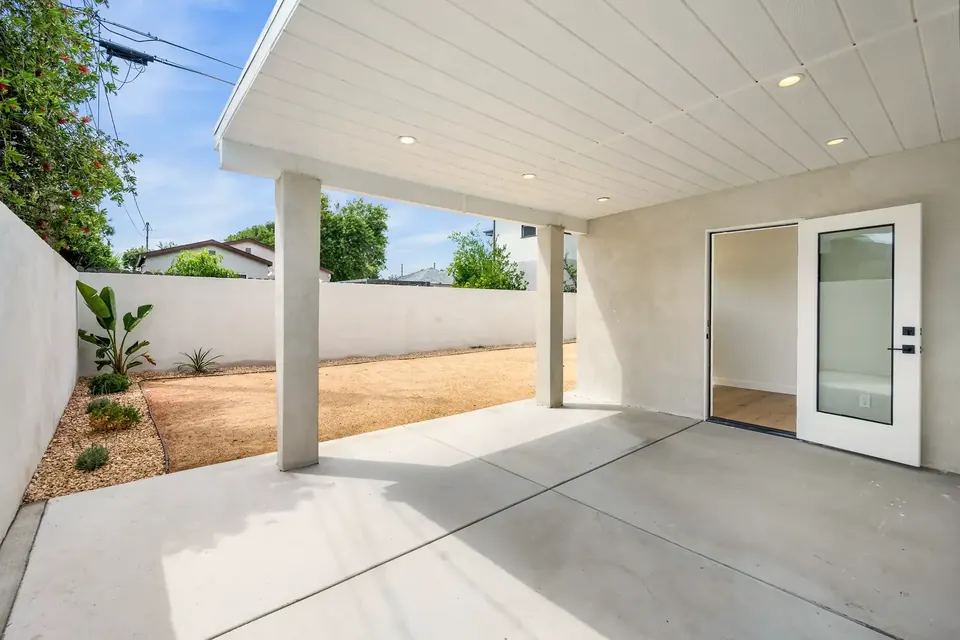
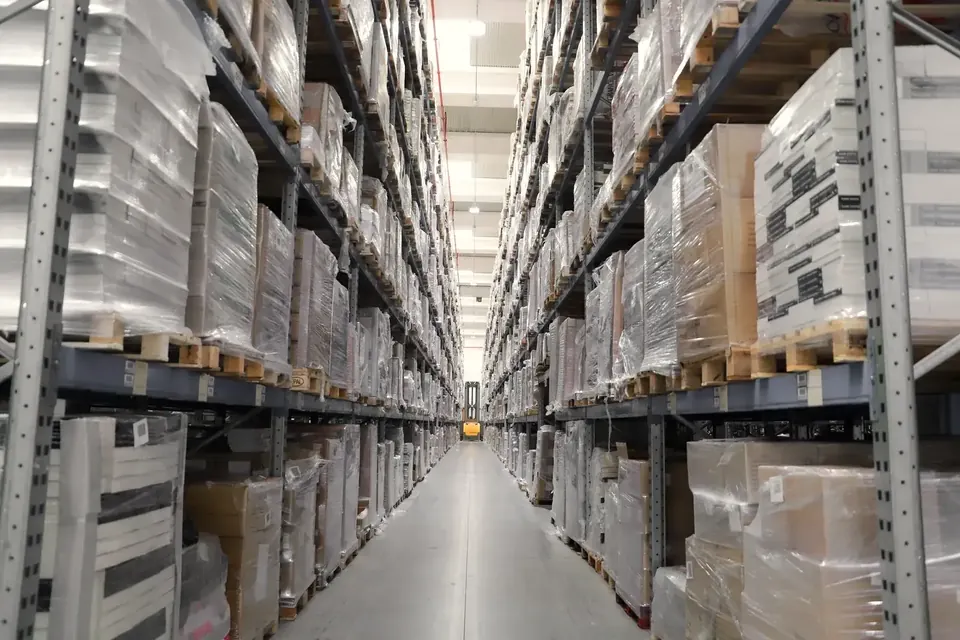
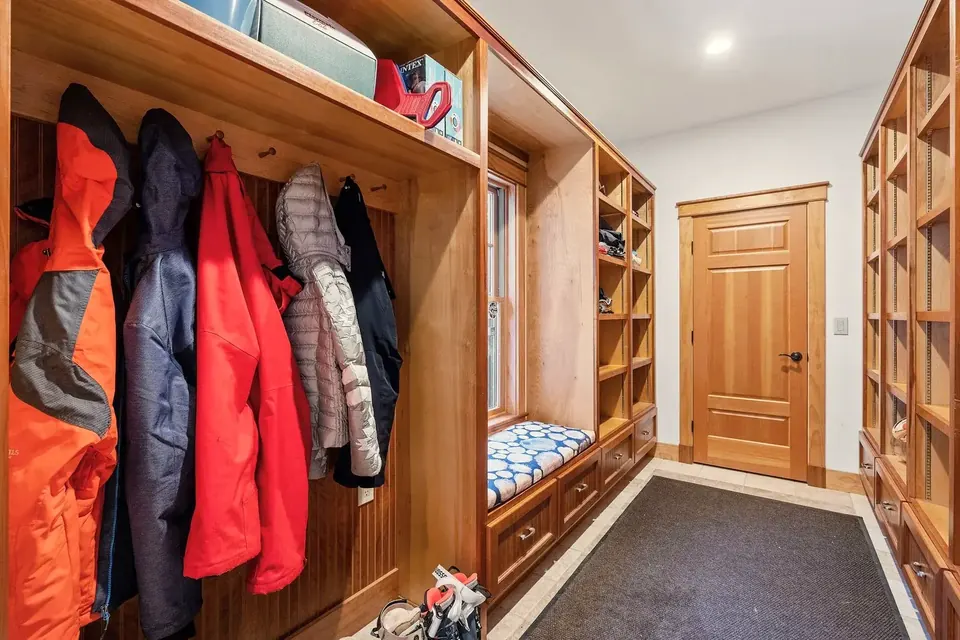
Representative photography of the systems and finishes we offer. Your color, texture and sheen are confirmed with physical samples during the estimate.
13Service areas
We are based in the Village of Menomonee Falls, the most populous village in Wisconsin, and we regularly work in the communities around it, including Germantown, Sussex, Brookfield and Richfield. Germantown and Lannon are minutes away, and the Highway 41/45 corridor makes Butler, Brookfield and Wauwatosa easy runs.
If you are a little farther out, ask anyway. Larger residential and commercial projects often make sense across a wider area.
14FAQ
These come up in nearly every driveway conversation. Anything we missed, bring it to the estimate.
Ask us directlyA professionally installed, properly prepared system in a residential garage commonly lasts many years, often well over a decade, with routine care. The biggest factors are surface prep, the quality of the topcoat, and how often salt brine is left sitting on the floor. We would rather explain those factors honestly than quote a number that ignores them.
Yes, with planning. Resins need the slab and air within a certain temperature range during application and cure. In cold months we heat the garage ahead of time, check slab temperature with a thermometer, and select products formulated for cooler installs. Some exterior work, like patios, is better scheduled for spring through fall.
Epoxy is an excellent base coat: it bonds well, builds thickness and is economical. Standard epoxies can yellow in sunlight and take longer to cure. Polyaspartic is used mostly as a topcoat because it is UV-stable, cures quickly and holds up well to abrasion and chemicals. Many of our garage systems use both.
Any smooth, glossy floor gets slick with water or snowmelt on it. That is why we build texture into garage and mudroom floors through the flake broadcast and, when needed, an anti-slip additive in the topcoat. You can run a hand over texture samples before deciding.
It depends on the system and temperature. With fast-cure polyaspartic topcoats, light foot traffic is often possible the same day or next morning, and vehicles a few days later. Traditional epoxy systems take longer. You will get specific times for your floor in writing.
Yes. On older slabs around here, fixing cracks and spalls is nearly always on the list. Repairs are filled and ground flush before any coating goes down. We will also tell you if a crack looks structural or active, since no coating can stop a slab that is still moving.
We do. Retail spaces, salons, offices, clinics, restaurants, service shops and warehouses all fit within our work. Commercial floors are specified around traffic, chemicals, sanitation and schedule, and we can phase installation to keep your operation running.
Size is only one factor. The state of the concrete, the repairs it needs, the system you pick and how easy the space is to reach all move the number. A floor that needs coatings removed or moisture mitigation costs more than a clean, sound slab. That is why we quote after seeing the floor, and the quote is itemized so you can see where the money goes.
15Free estimate
Call (262) 228-9010, or send a few details here, and we will book a visit to measure, inspect the concrete and walk you through the options that fit. You will leave with a clear recommendation and a written price, with no pressure to decide on the spot.